Featured
Table of Contents
Next, compare what your advertisement platforms report against what really occurred in your organization. Now compare that number to what Meta Ads Manager or Google Advertisements reports.
Turning Impressions to Revenue
Lots of marketers discover that platform-reported conversions substantially overcount or undercount truth. This occurs since browser-based tracking deals with increasing limitationsad blockers, cookie restrictions, and privacy features all produce blind areas. If your platforms think they're driving 100 conversions when you in fact got 75, your automated budget plan decisions will be based on fiction.
Document your client journey from first touchpoint to final conversion. Multi-touch exposure ends up being vital when you're attempting to recognize which projects really deserve more budget plan.
Expert Programmatic Best Practices for Conversions
This audit reveals precisely where your tracking foundation is strong and where it requires reinforcement. You have a clear map of what's tracked, what's missing, and where information inconsistencies exist. You can articulate particular gapslike "our Meta pixel undercounts mobile conversions by about 30%" or "we're not tracking mid-funnel engagement that forecasts purchases." This clarity is what separates reliable automation from costly mistakes.
iOS App Tracking Transparency, cookie deprecation, and privacy-focused browsers have essentially altered just how much data pixels can capture. If your automation relies solely on client-side tracking, you're optimizing based on incomplete info. Server-side tracking resolves this by recording conversion data directly from your server instead of relying on internet browsers to fire pixels.
Setting up server-side tracking typically includes linking your site backend, CRM, or ecommerce platform to your attribution system through an API. The exact application varies based on your tech stack, however the concept remains constant: capture conversion occasions where they really happenin your databaserather than hoping a browser pixel captures them.
For SaaS business, it suggests tracking trial signups, product activations, and membership begins with your application database. For list building companies, it suggests linking your CRM to track when leads actually become certified opportunities or closed offers. A robust marketing attribution and optimization setup depends upon this server-side structure. As soon as server-side tracking is implemented, validate its accuracy immediately.
Leveraging Data for Modern SEM
If you processed 200 orders the other day, your server-side tracking should show roughly 200 conversion eventsnot 150 or 250. This verification action captures setup mistakes before they corrupt your automation. Perhaps the conversion value isn't passing through properly.
The immediate benefit of server-side tracking extends beyond simply counting conversions precisely. You can now track real earnings, not simply conversion events. You can see which projects drive high-value consumers versus low-value ones. You can determine which ads generate purchases that get returned versus ones that stick. This depth of information makes automated optimization dramatically more efficient.
When you check your attribution platform against your company records, the numbers inform the same story. That's when you understand your information foundation is solid enough to support automation. Not all conversions are produced equivalent, and not all touchpoints are worthy of equal credit. The attribution design you choose identifies how your automation system assesses project performancewhich directly impacts where it sends your spending plan.
It's easy, but it disregards the awareness and consideration projects that made that final click possible. If you automate based purely on last-touch information, you'll methodically defund top-of-funnel campaigns that present new clients to your brand. First-touch attribution does the oppositeit credits the initial touchpoint that brought somebody into your funnel.
The Future of PPC Through GEO Optimization
Automating on first-touch alone indicates you might keep moneying projects that generate interest however never ever convert. Multi-touch attribution distributes credit across the entire client journey. Someone may find you through a Facebook ad, research study you through Google search, return through an e-mail, and finally transform after seeing a retargeting ad.
This creates a more total image for automation decisions. The best model depends upon your sales cycle intricacy. If many clients convert immediately after their very first interaction, simpler attribution works fine. However if your typical consumer journey includes several touchpoints over days or weekscommon in B2B, high-ticket ecommerce, and SaaSmulti-touch attribution ends up being important for precise optimization.
Turning Impressions to RevenueThe default seven-day click window and one-day view window that a lot of platforms use might not show reality for your service. If your typical consumer takes 3 weeks to decide, a seven-day window will miss conversions that your campaigns actually drove.
If the attribution story does not match what you know happened, your automation will make decisions based on incorrect presumptions. Lots of online marketers find that platform-reported attribution differs substantially from attribution based on total customer journey data.
This disparity is exactly why automated optimization needs to be built on detailed attribution rather than platform-reported metrics alone. You can confidently state which ads and channels actually drive income, not just which ones happened to be last-clicked. When stakeholders ask "is this campaign working?" you can answer with information that accounts for the full consumer journey, not just a fragment of it.
How to Optimize PPC Budgets to Drive ROI
Before you let any system start moving cash around, you require to specify exactly what "good efficiency" and "bad efficiency" imply for your businessand what actions to take in action. Start by developing your core KPI for optimization. For many performance online marketers, this boils down to ROAS targets, certified public accountant limitations, or revenue-based metrics.
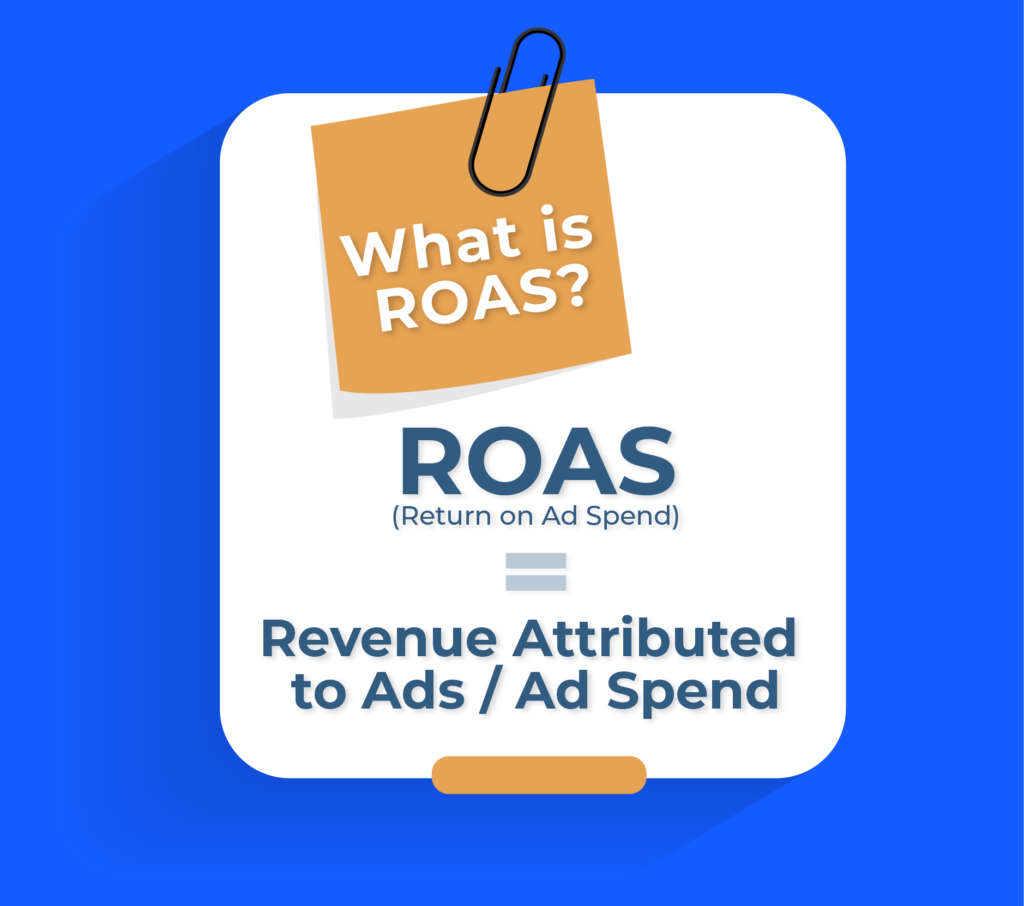
"Increase ROAS" isn't actionable. "Scale any campaign achieving 4x ROAS or greater" provides automation a clear regulation. Set minimum thresholds before automation takes action. A campaign that invested $50 and generated one $200 conversion technically has 4x ROAS, but it's too early to call it a winner and triple the spending plan.
A reasonable beginning point: need at least $500 in invest and at least 10 conversions before automation considers scaling a campaign. These thresholds ensure you're making decisions based on significant patterns rather than fortunate flukes.
If a campaign hasn't produced a conversion after investing 2-3x your target certified public accountant, automation needs to decrease budget or pause it entirely. However integrate in suitable lookback windowsdon't judge a campaign's performance based upon a single bad day. Look at 7-day or 14-day efficiency windows to smooth out daily volatility. Document everything.
If a project hasn't created a conversion after spending 2-3x your target Certified public accountant, automation must minimize budget or pause it completely. Develop in proper lookback windowsdon't evaluate a project's performance based on a single bad day.
Converting Impressions to Loyal Customers
If a project hasn't produced a conversion after investing 2-3x your target Certified public accountant, automation must reduce spending plan or pause it entirely. Build in proper lookback windowsdon't judge a project's efficiency based on a single bad day.
If a campaign hasn't created a conversion after investing 2-3x your target CPA, automation ought to reduce spending plan or pause it completely. Construct in appropriate lookback windowsdon't judge a project's efficiency based on a single bad day.

Latest Posts
The Future of PPC With AI Optimization
The Role of Real-World Data in Washington Sales
Converting High-Value Customers With Saas Ppc That Grows Monthly Revenue